Loading article

Cookie preferences
We use strictly necessary storage for site operation and optional categories for experience, measurement, and marketing. Choose what Gelectric can use, and update it any time from Cookie Settings in the footer.
Cookie preferences
We use strictly necessary storage for site operation and optional categories for experience, measurement, and marketing. Choose what Gelectric can use, and update it any time from Cookie Settings in the footer.
Gelectric Editorial Team
Meeting regulatory demands in the maritime industry is no small feat. As shipowners and fleet managers, you face increasing pressure to comply with environmental standards while maintaining operational efficiency. The EU Monitoring, Reporting, and Verification (MRV) regulation is a key part of this landscape. It requires vessels to monitor and report their CO2 emissions on voyages to, from, and between EU ports. Navigating these requirements can be complex, but with the right approach, you can turn compliance into an opportunity for smarter operations and cost savings.
Regulatory compliance in maritime shipping is evolving rapidly. The EU MRV regulation adds a layer of complexity that demands accurate data collection, timely reporting, and verification by independent bodies. You must track fuel consumption, distance traveled, and cargo carried for each voyage. This data must be reported annually and verified to ensure accuracy.
The challenges include:
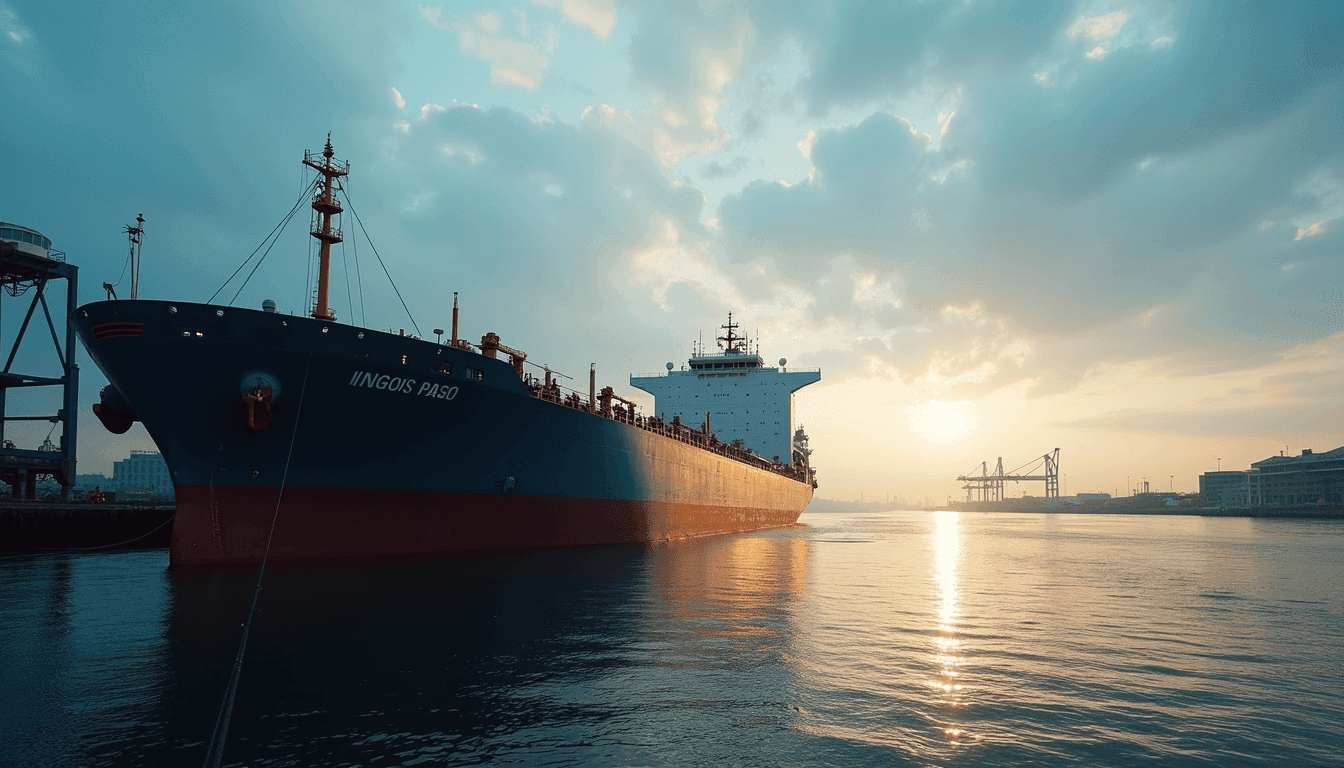
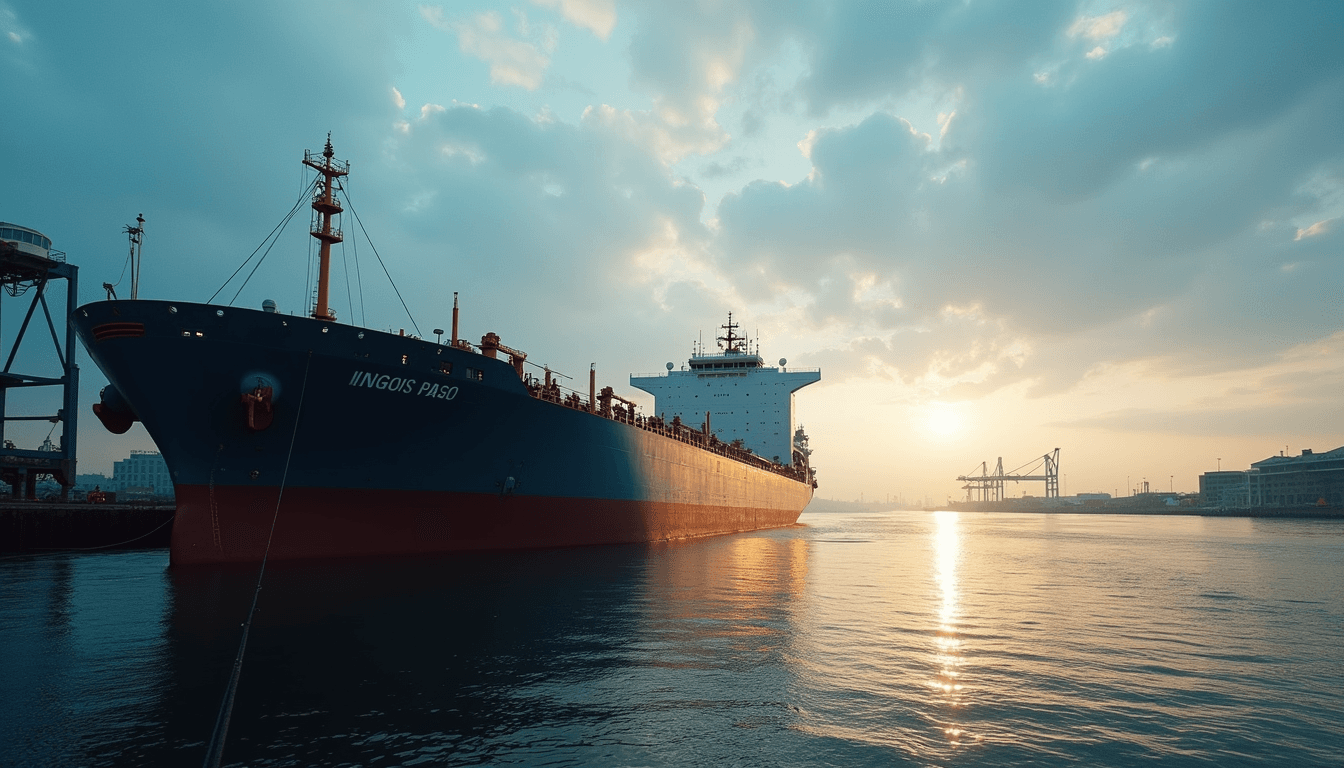 Cargo ship docked at port for compliance checks
The EU MRV regulation mandates that all ships above 5,000 gross tonnage calling at EU ports must monitor and report their CO2 emissions. The key requirements include:
Receive our monthly maritime intelligence report directly in your inbox.
Expand your knowledge with these recent publications.

When the International Maritime Organization (IMO) introduced the Energy Efficiency Existing Ship Index (EEXI), shipowners faced a strict mandate: establish a technical design benchmark to ensure existing vessels meet carbon intensity...
For example, a vessel traveling from Rotterdam to Hamburg must monitor and report emissions for that voyage. The data includes fuel types used, quantities consumed, and distance covered. This level of detail ensures transparency and accountability.
Achieving compliance starts with a clear plan and reliable data systems. Here’s how you can approach it:
Create a detailed plan that specifies how you will collect and manage emissions data. This plan should cover:
Use digital tools to automate data collection. Manual recording increases the risk of errors and delays. Consider:
Ensure everyone involved understands the MRV requirements and their role in compliance. Training should cover:
Conduct periodic checks to verify data accuracy before submitting reports. This helps catch errors early and ensures smoother verification.
Work with verifiers during the planning phase to align your monitoring plan with their expectations. Early engagement reduces the risk of non-compliance.
 Fuel flow meters installed in ship engine room
Technology is your best ally in managing MRV compliance. Modern maritime software solutions can:
If you want to explore how to integrate these solutions, consider partnering with experts who specialize in maritime data management. They can tailor systems to your fleet’s specific needs.
The EU MRV regulation is just the beginning. The maritime industry is moving towards stricter environmental standards, including the EU Emissions Trading System (ETS) and the International Maritime Organization’s (IMO) greenhouse gas strategy.
To stay ahead:
For more detailed guidance on eu mrv compliance for vessels, visit the official EU portal.
Compliance does not have to be a burden. When managed well, it becomes a source of competitive advantage. Here’s how:
Navigating the complexities of EU MRV compliance requires focus, planning, and the right tools. By understanding the regulatory landscape and implementing practical solutions, you can ensure your fleet meets requirements without sacrificing performance. Start today by assessing your current data systems and developing a clear monitoring plan. The future of maritime shipping is green, and compliance is your first step toward a smarter, more efficient fleet.
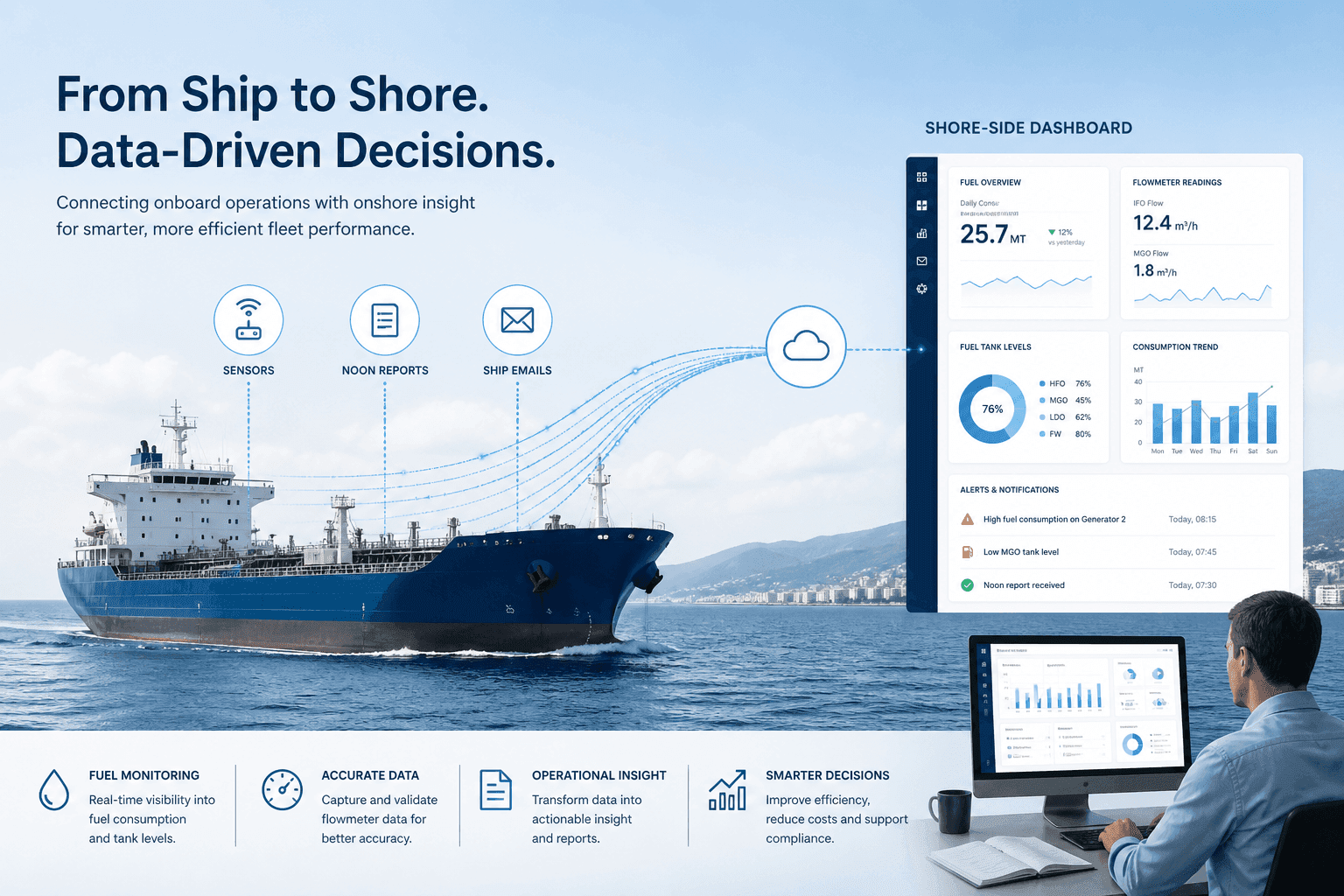
In many fleets, digital flowmeters are already installed on board. But in practice, the data is often still checked locally on the vessel, used only for limited reporting purposes, or reviewed after the fact. As EU MRV requirements continue...

Meeting regulatory requirements is no longer optional in maritime operations. The EU Monitoring, Reporting, and Verification (MRV) regulation demands precise attention from shipowners and fleet managers. I understand the pressure to stay...