Loading article

Cookie preferences
We use strictly necessary storage for site operation and optional categories for experience, measurement, and marketing. Choose what Gelectric can use, and update it any time from Cookie Settings in the footer.
Cookie preferences
We use strictly necessary storage for site operation and optional categories for experience, measurement, and marketing. Choose what Gelectric can use, and update it any time from Cookie Settings in the footer.
Gelectric Editorial Team
Introduction
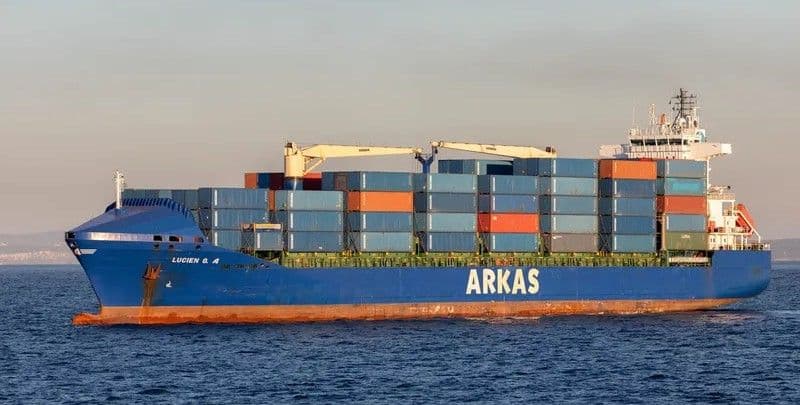
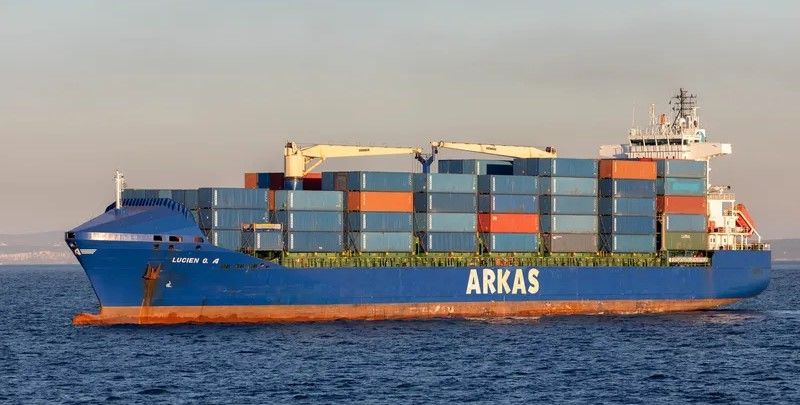
This case study presents the implementation of a RPM limitation for the Sea Water Pump on the Lucien G.A. ship.
It was determined that the 83 kW Sea Water pump on the Lucien G.A ship was operating at excessive power and high pressure, even though it was not necessary during sail and at dock. This situation causes the ship to consume more fuel than normally and emit more carbon emissions.
The following study outlines the targeted project aimed at addressing this issue, optimizing the pump’s performance, and ultimately contributing to reduced fuel consumption and lower carbon emissions in the operations
Objectives
The main goal was to optimize the Sea Water Pump's performance by implementing RPM limitation and control. This aimed to achieve a significant reduction in fuel consumption and lower carbon emissions.
The targeted outcomes included maintaining the operating power of the pump at necessary levels with the electrical adjustments and software add-ons. The anticipated results were tangible savings in fuel consumption and a notable decrease in carbon emission during both sailing and docking.
Details
The Sea Water pump on the Lucien G.A ship previously operated at constant RPM and constant power.
With the implementation of an electrical connection adjustment and automation system, the operating system is now divided into three modes: Manual, Remote Control and Auto Control. Those modes allow to work in changing RPM and power for that pump.
The important effect occurs when the user selects the desired temperature scale and pressure point. After that the speed of pump adjusted automatically. This selection can be made by crew from a touch screen at ECR (Engine Control Room).
This temperature scale and minimum pressure level can vary for every vessel and every operation like during sail or docking.
Receive our monthly maritime intelligence report directly in your inbox.
Expand your knowledge with these recent publications.
Turn daily noon reports into actionable intelligence Vessels generate valuable operational information every day through noon reports. However, collecting, structuring, and analysing this information across a fleet can be time-consuming,...
To avoid deformation in any existing system, it is ensured that the system does not operate below the minimum pressure value. With those additions the pump’s lifetime is extended, and fuel savings are achieved.
Save Analysis and Graphs****
Fuel consumption is different while sailing and docking. At sail the vessel uses its main engine which consumes 171 gr fuel per kWh.
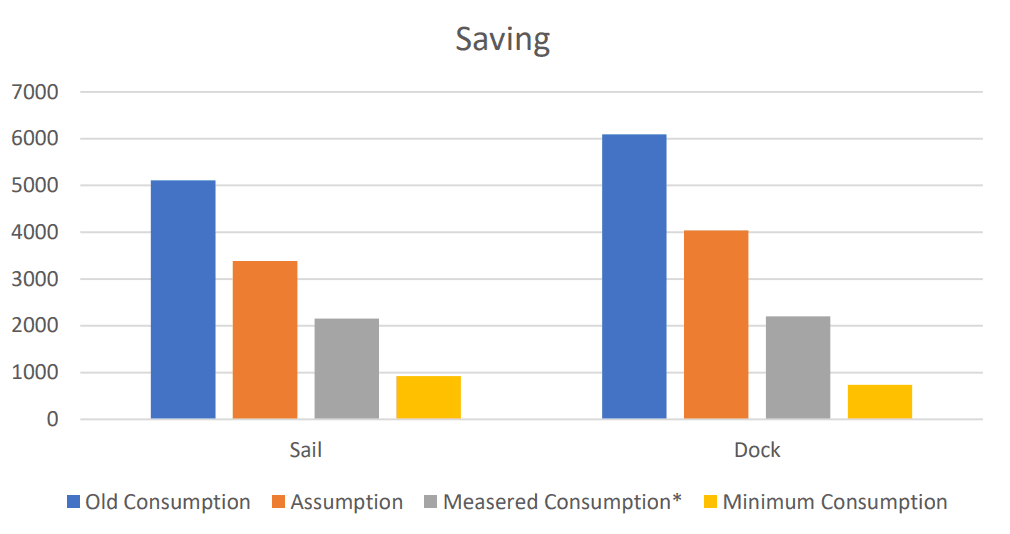
At docking the vessel uses its diesel generator which consumes 204 gr per kWh. Before the limitation, the pump operated at its full power which is 83 kW with that power only this pump consumed 340. 6 kg fuel in 24 hours while sailing and 406.3 kg fuel in 24 hours while docking.
The project aimed to achieve 55 kW at both sail and dock periods, represented by the orange line in the graph. However, the initial measurements indicated 35 kW at sail and 30 kW at dock, shown as the gray line. Gelectric’s minimum power assumption is 15 kW at sail and 10 kW at dock, indicating achievable goals after system usage.
After these measurements, the projected monthly savings are as follows:
Total Consumption Old (MT)
Total Consumption New (MT)
Saving (MT)
11.205
4.3578
6.8472
The projected monthly savings from fuel costs are as follows:
Cost Old
Cost New
Cost Saving
€ 9.188,10
€ 3.874,5
€ 5.313,6
Conclusion****
The successful implementation of the RPM limitation system on this specific vessel is a significant achievement in sustainable maritime operations.
This innovative solution has not only addressed the excessive power consumption and high-pressure issues of the Sea Water Pump but has also set a precedent for more eco-friendly and efficient practices within the industry.
The project's success is not a short-term fix but a sustainable strategy that will lead to long-term fuel savings and environmental benefits. With the maritime industry facing increasing environmental regulations and adopting cleaner practices, the ship serves as a model for forward-thinking and responsible maritime operations.
The RPM limitation system stands as a testament to the positive impact that thoughtful and sustainable engineering can have on the maritime industry.
Team Gelectric
To learn more about this project, please feel free to contact us at info@gelectric.io.

Today, we are incredibly proud to share that our CEO, Efil, has been recognized as one of the Top 30 Female Founders for the 2026 Female Founder Award by VivaTech. Being shortlisted by one of Europe’s most prestigious technology and startup...

Gelectric is proud to announce our participation in Maintenance Next. In this fast-changing industry, staying ahead means embracing new technologies, sustainable practices, and innovative mindsets. What you can expect from us: Showcase of...